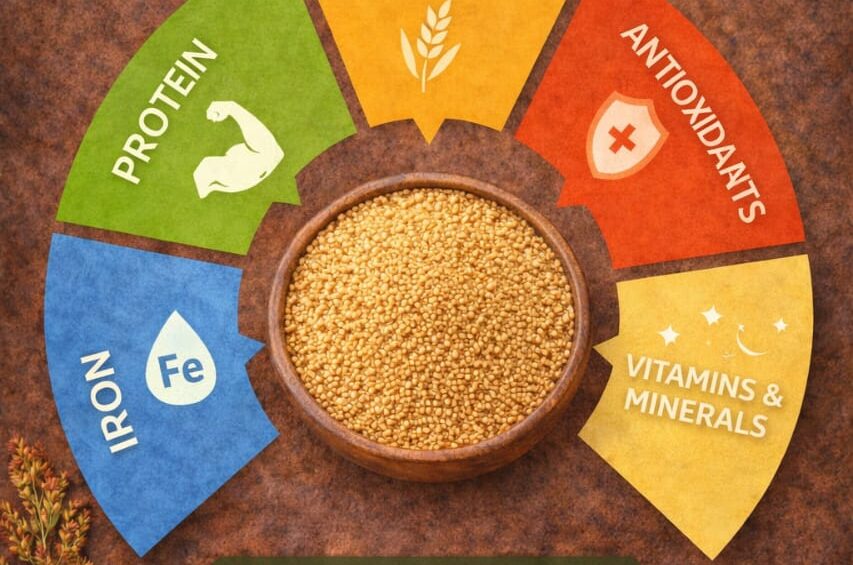
Millets Rice

Why Health Experts Advocate Millets Over Rice and Wheat

Renowned nutrition expert Khadar Vali, widely known as the “Millet Man of India”, has strongly advocated millets as a healthier alternative to commonly consumed grains such as rice and wheat. According to him, excessive dependence on refined staples contributes significantly to lifestyle-related diseases.

Speaking at a State-level seminar on the Importance of Millets held at the Centre for Water Resources Development and Management (CWRDM) in Kerala, Mr. Vali highlighted that a single serving of rice or wheat can cause glucose spikes similar to sugar. He emphasized that merely switching from rice to wheat does not deliver meaningful health benefits, whereas millets offer a more balanced nutritional solution.

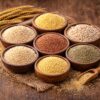
There are more than 240 varieties of millets cultivated across the world, yet their benefits remain largely underutilized. Regular consumption of millet-based diets, Mr. Vali noted, has the potential to prevent or improve a majority of lifestyle disorders when adopted correctly.

Millets are rich in dietary fibre and help regulate blood sugar levels, making them particularly beneficial for managing conditions such as diabetes, fatty liver, and thyroid-related disorders. Their natural properties support reduced inflammation, improved metabolism, and better hormonal balance, contributing to overall long-term wellness.

With over two decades of dedication to spreading awareness about millet-based nutrition, Mr. Vali was honoured with the Padma Shri in 2023. He has also developed disease-specific millet dietary protocols, documented in his book Cherudhanya Mahatmyam. As part of daily wellness practices, he recommends fermented millet porridge as an effective method to detoxify the body.

Beyond health benefits, millets are environmentally sustainable crops. They require minimal water and can thrive even in dry or less fertile lands, making them a practical solution for water conservation and climate-resilient agriculture.

Reference:
This article is inspired by a news report published in The Hindu and has been rewritten in original form for informational and educational purposes.

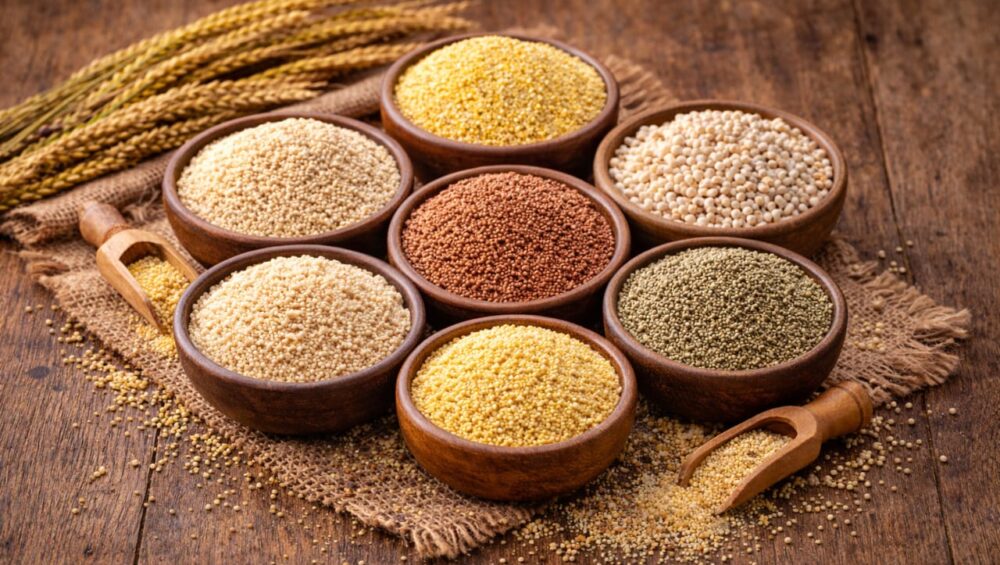
Millet-blogs

Transforming Millets Through Global Science and Collaboration

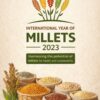
Millets are well known for their ability to grow in dry regions, require fewer resources, and withstand changing climate conditions. These qualities make them an important crop for improving food self-sufficiency and reducing dependence on imported grains. Recognizing their value in strengthening food security and climate resilience, the United Nations General Assembly declared 2023 as the International Year of Millets (IYM 2023).

To support this global focus, international organizations have stepped up efforts to promote awareness, research, and innovation around millets. While the Food and Agriculture Organization (FAO) led initiatives to highlight the nutritional and environmental benefits of millets, the International Atomic Energy Agency (IAEA) also continued investing in scientific research through its collaboration with FAO under the Joint FAO/IAEA Centre of Nuclear Techniques in Food and Agriculture.

The momentum created by IYM 2023 has encouraged increased research funding, policy attention, and development across the entire millet value chain. As part of this effort, the Joint FAO/IAEA Centre launched a Coordinated Research Project (CRP) focused on accelerating the genetic improvement of major dryland millets to help them adapt to climate change. The project aims to develop improved varieties of pearl millet, finger millet, foxtail millet, and proso millet using modern breeding techniques such as mutation breeding, genomics, and gene-editing tools.

These efforts align with global priorities to strengthen farming systems by diversifying crops beyond a limited number of staple cereals. By improving resilience against environmental challenges and economic uncertainties, enhanced millet varieties can play a key role in supporting nutrition and livelihoods, particularly in vulnerable regions.

Now in its second year, the research initiative has brought together a strong international network of scientists and institutions from countries including India, China, Ethiopia, Sri Lanka, Burkina Faso, Namibia, and the United States. FAO’s Plant Production and Protection Division is also actively involved, especially in identifying country-specific challenges across the millet value chain.

In April 2025, researchers involved in the project met in Vienna, Austria, to review progress and plan future activities. The meeting enabled scientists to share early findings, exchange expertise, and align research strategies. Key discussions focused on using digital phenotyping tools, combining genomics with advanced breeding methods, and speeding up the development of improved millet varieties. Improving resistance to pests, diseases, and climate stress—while also enhancing nutritional value—was a major priority.

The advanced laboratories of the Joint FAO/IAEA Centre in Seibersdorf were highlighted as a critical resource, particularly for researchers from developing countries, enabling large-scale screening of newly developed millet lines.

This global research initiative is not only advancing scientific knowledge but also strengthening national research capabilities and supporting smallholder farmers. By promoting adaptable, high-performing, and climate-resilient millet varieties, the project demonstrates how international cooperation, innovation, and capacity building can drive long-term sustainability in the millet sector—contributing to resilient food systems for future generations.

Reference:
This article is inspired by publicly available information from the Food and Agriculture Organization of the United Nations (FAO) and the International Atomic Energy Agency (IAEA).

Health Guide

Winter Health Guide 2026: Improve Immunity Using Seasonal Millets and Everyday Stretching

As the Indian winter of 2026 sets in, wellness is no longer about quick remedies or seasonal trends. The focus is shifting toward mindful, everyday practices that support the body naturally through colder months.

Small, consistent choices can make a big difference—especially when they are rooted in India’s traditional food wisdom and gentle movement routines.

Eat with the Season, Not the Trend

Well-known nutritionist Rujuta Diwekar often reminds us that the body responds best when our diet matches the season. Consuming foods that grow locally during winter helps regulate digestion, energy levels, and body warmth.

One winter grain that deserves a place on your plate is bajra (pearl millet). Long valued in Indian kitchens, bajra is rich in fibre, iron, and essential minerals that help maintain steady energy and keep the body warm. Unlike refined grains, it digests slowly, making it ideal for shorter days and lower activity levels common in winter.

Including bajra regularly—whether as rotis, dosa batter, or hearty khichdi—can help you stay fuller for longer while supporting overall immunity.

Movement Matters More in Cold Weather

Winter often brings stiffness due to reduced movement and colder temperatures. According to Diwekar, daily back stretching is a simple yet essential habit to prevent discomfort and maintain flexibility.

Gentle stretches that focus on the spine, lower back, and hamstrings can improve blood flow, reduce aches, and keep the body mobile. Just a few minutes of mindful stretching each day can counter the effects of prolonged sitting and inactivity during winter.

Build Wellness Through Balance

True winter wellness isn’t about a single superfood or exercise. It’s about combining the right foods with regular movement and staying aligned with nature’s rhythm. By embracing seasonal grains like bajra and maintaining daily mobility, you create a sustainable routine that supports long-term health rather than short-term fixes.


Easy Winter Wellness Practices for 2026

Wellness Habit
Key Benefit
How to Practice
Include Bajra in MealsMaintains body warmth, improves digestion, and provides steady energyReplace wheat or rice with bajra dishes 2–3 times a week
Daily Back StretchingReduces stiffness and improves flexibilitySpend 5–10 minutes daily on gentle spinal and hamstring stretches
Seasonal EatingSupports natural adaptation to winter climateChoose local winter vegetables, greens, and citrus fruits

Reference:
This post uses insights from a public article on Dainik Jagran (English) as a reference. All content has been rephrased and adapted for original presentation.