Renowned nutrition expert Khadar Vali, widely known as the “Millet Man of India”, has strongly advocated millets as a healthier alternative to commonly consumed grains such as rice and wheat. According to him, excessive dependence on refined staples contributes significantly to lifestyle-related diseases.
Speaking at a State-level seminar on the Importance of Millets held at the Centre for Water Resources Development and Management (CWRDM) in Kerala, Mr. Vali highlighted that a single serving of rice or wheat can cause glucose spikes similar to sugar. He emphasized that merely switching from rice to wheat does not deliver meaningful health benefits, whereas millets offer a more balanced nutritional solution.
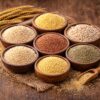
There are more than 240 varieties of millets cultivated across the world, yet their benefits remain largely underutilized. Regular consumption of millet-based diets, Mr. Vali noted, has the potential to prevent or improve a majority of lifestyle disorders when adopted correctly.
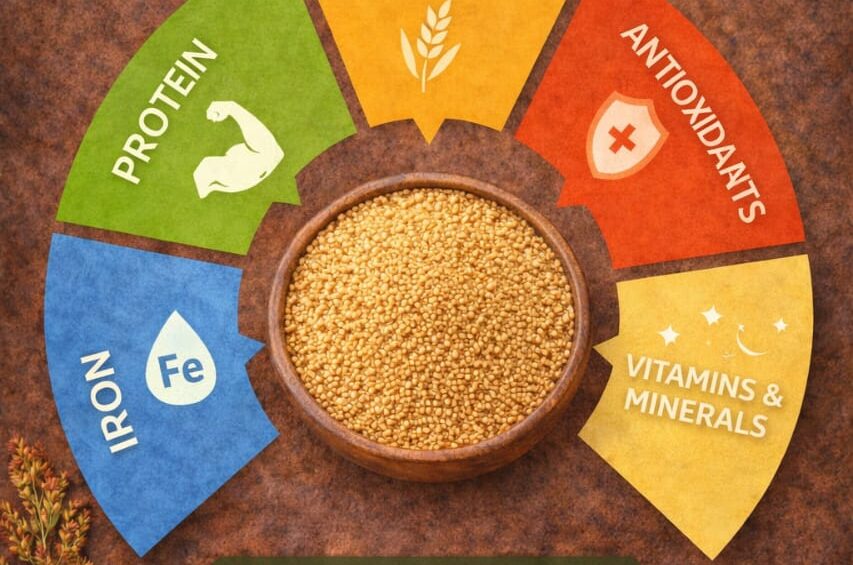
Millets are rich in dietary fibre and help regulate blood sugar levels, making them particularly beneficial for managing conditions such as diabetes, fatty liver, and thyroid-related disorders. Their natural properties support reduced inflammation, improved metabolism, and better hormonal balance, contributing to overall long-term wellness.
With over two decades of dedication to spreading awareness about millet-based nutrition, Mr. Vali was honoured with the Padma Shri in 2023. He has also developed disease-specific millet dietary protocols, documented in his book Cherudhanya Mahatmyam. As part of daily wellness practices, he recommends fermented millet porridge as an effective method to detoxify the body.
Beyond health benefits, millets are environmentally sustainable crops. They require minimal water and can thrive even in dry or less fertile lands, making them a practical solution for water conservation and climate-resilient agriculture.
Reference:
This article is inspired by a news report published in The Hindu and has been rewritten in original form for informational and educational purposes.